
Battery, Starter & Alternator
Start every time.
A no-start does not automatically mean the battery is bad. We test the battery under load, measure alternator output, check starter draw, and inspect the connections so you replace only the component that actually failed.
The work.
Starting and charging components depend on one another. A weak alternator can ruin a new battery, and corroded cables can imitate a bad starter. Our testing separates the symptoms from the failed part.
- Battery testing & replacementState-of-health and cold-cranking performance tested under load, with correct-size replacement when needed.
- Alternator & charging testOutput voltage, current, belt drive, and charging control checked across the system.
- Starter diagnosis & replacementStarter draw, command circuit, relays, and connections tested before replacement.
- Cables, terminals & groundsVoltage-drop testing finds resistance and corrosion that a visual check can miss.

Sound familiar?
If you’re seeing any of these, book a diagnostic and we’ll find the root cause before recommending a repair.
From call
to pickup.
Tell us what’s wrong
What you’re hearing, seeing or feeling — or just bring it in and we’ll find it.
We diagnose & quote
A real inspection, then a written estimate before anything is touched.
You approve, we repair
Work starts only once you say go. No surprise line items after the fact.
Warranty & pickup
Tested, warrantied, and explained in plain English when you pick it up.
What’s actually
at stake.
Battery, starter, alternator, cables, and computer-controlled charging all work as one system. Replacing the battery because the engine will not crank can hide the real fault, and a weak alternator can quickly damage the new part. Testing the full circuit is faster and cheaper than guessing.
- Voltage alone does not prove a battery is healthyA battery can show 12 volts and still collapse under starter load. Capacity and cold-cranking performance must be tested.
- Cable resistance imitates expensive failuresA corroded terminal or ground can produce the same click or slow crank as a bad starter. Voltage-drop testing exposes it.
- A charging problem can leave you stranded laterThe vehicle may start after a jump but stop again once the stored battery charge is gone. Alternator output must be confirmed.
Questions about
battery, starter & alternator.
You might also need.
Electrical & Diagnostics
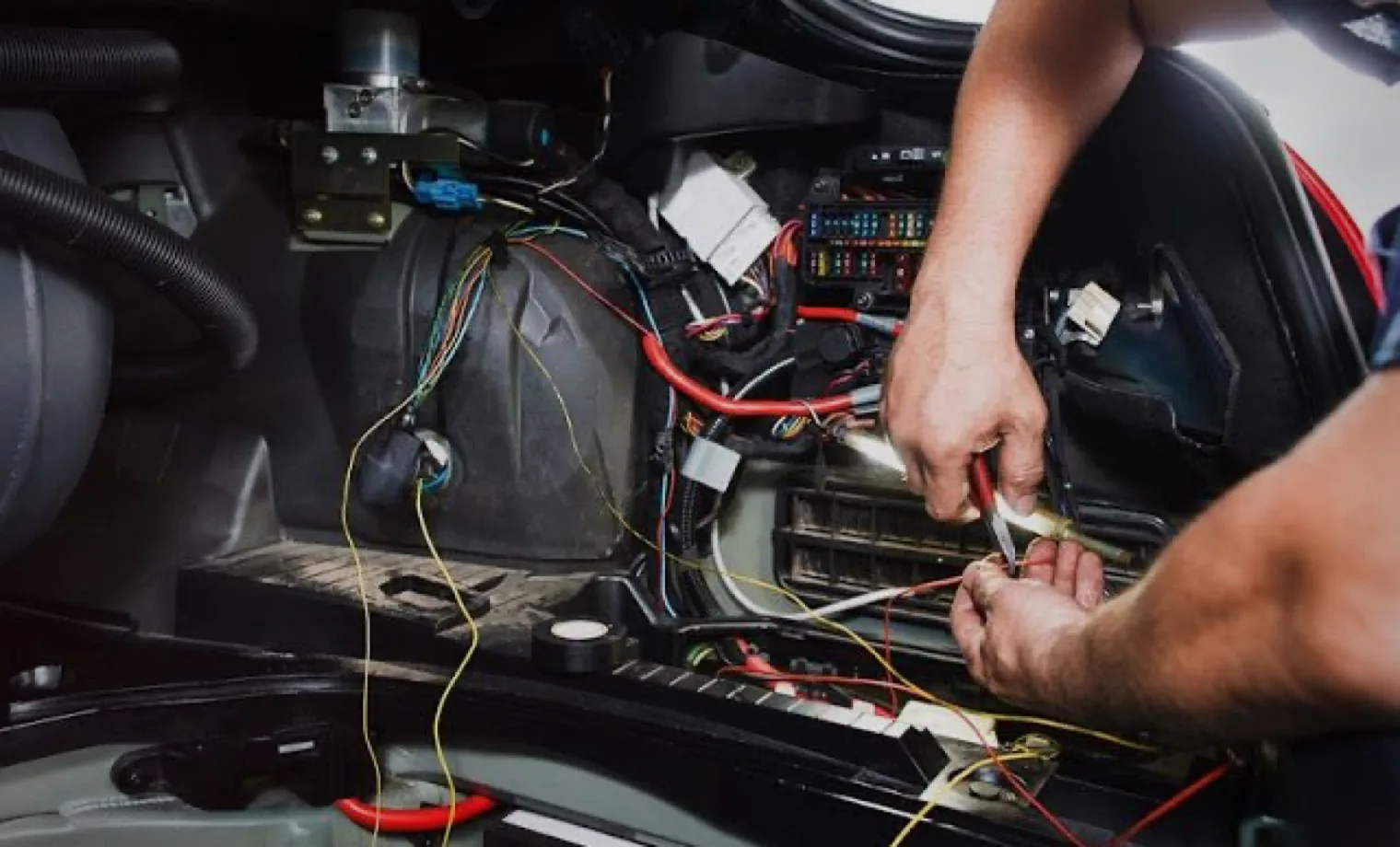
Batteries, alternators, wiring faults and parasitic drains — traced to the root cause.
View service
General Auto Repair
Inspections, warning lights, troubleshooting, and everyday mechanical repairs under one roof.
View service
Engine Repair
Diagnostics, leaks, timing work, gaskets, rebuilds and replacement — with the cause confirmed first.
View serviceCar slow to start—or not starting?
Book a starting and charging test before another jump-start leaves you stranded.