Parts do not make a build. The relationship between power, fuel, heat, drivetrain, grip, braking, and the driver does.
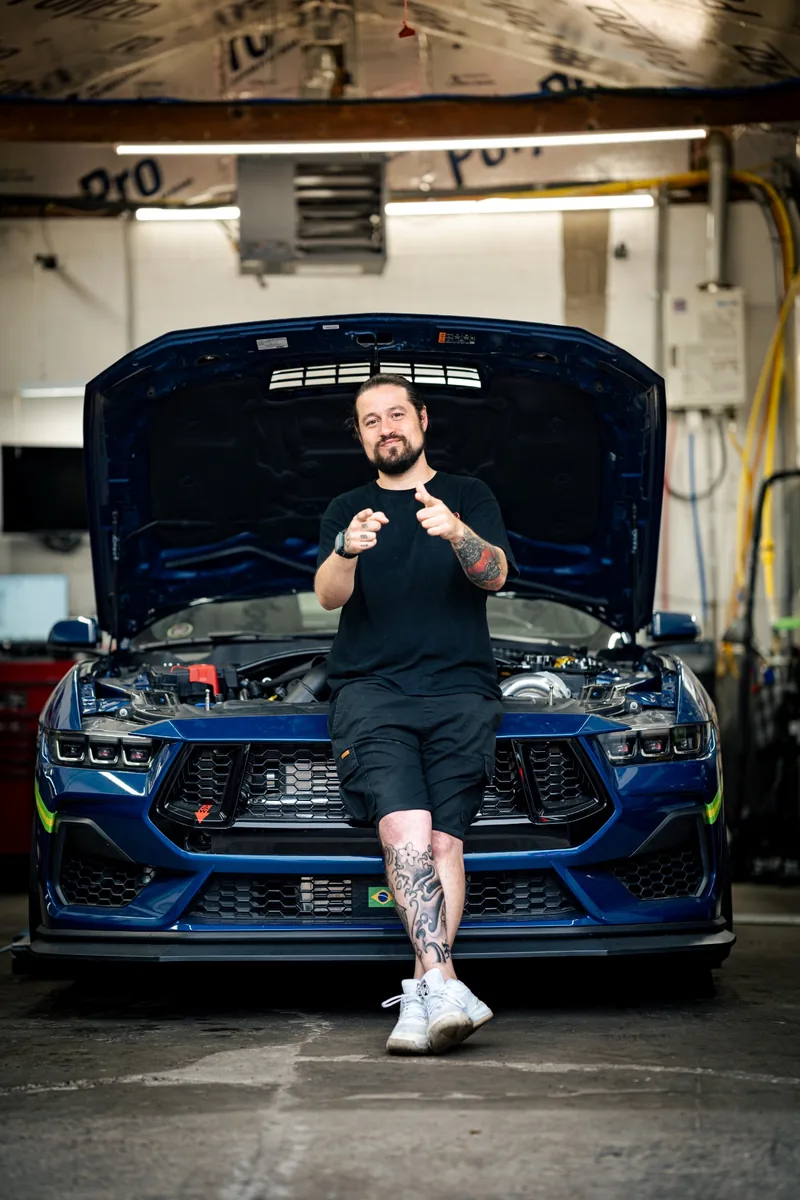
Dave builds and races his own track car. DMS brings that whole-car thinking to supercharger and ProCharger systems, turbo upgrades, engine builds, electronics, suspension, big brakes, fabrication, and complete custom projects.
A fast street car and a dedicated track car should not receive the same parts list. Select the way the car needs to live; the priority stack changes with it.
Performance you can enjoy every day
Street performance
Sharper response, stronger acceleration, better sound, and more confidence—without taking away the drivability that makes you enjoy the car every day.
We build street performance around reliability, smooth power delivery, heat management, braking, and overall drivability, so every upgrade works together instead of simply chasing a bigger horsepower number.
Let’s plan your build Talk with Dave about the right street-performance setup for your car.
Build priorities
Reliability
Drivability
Power delivery
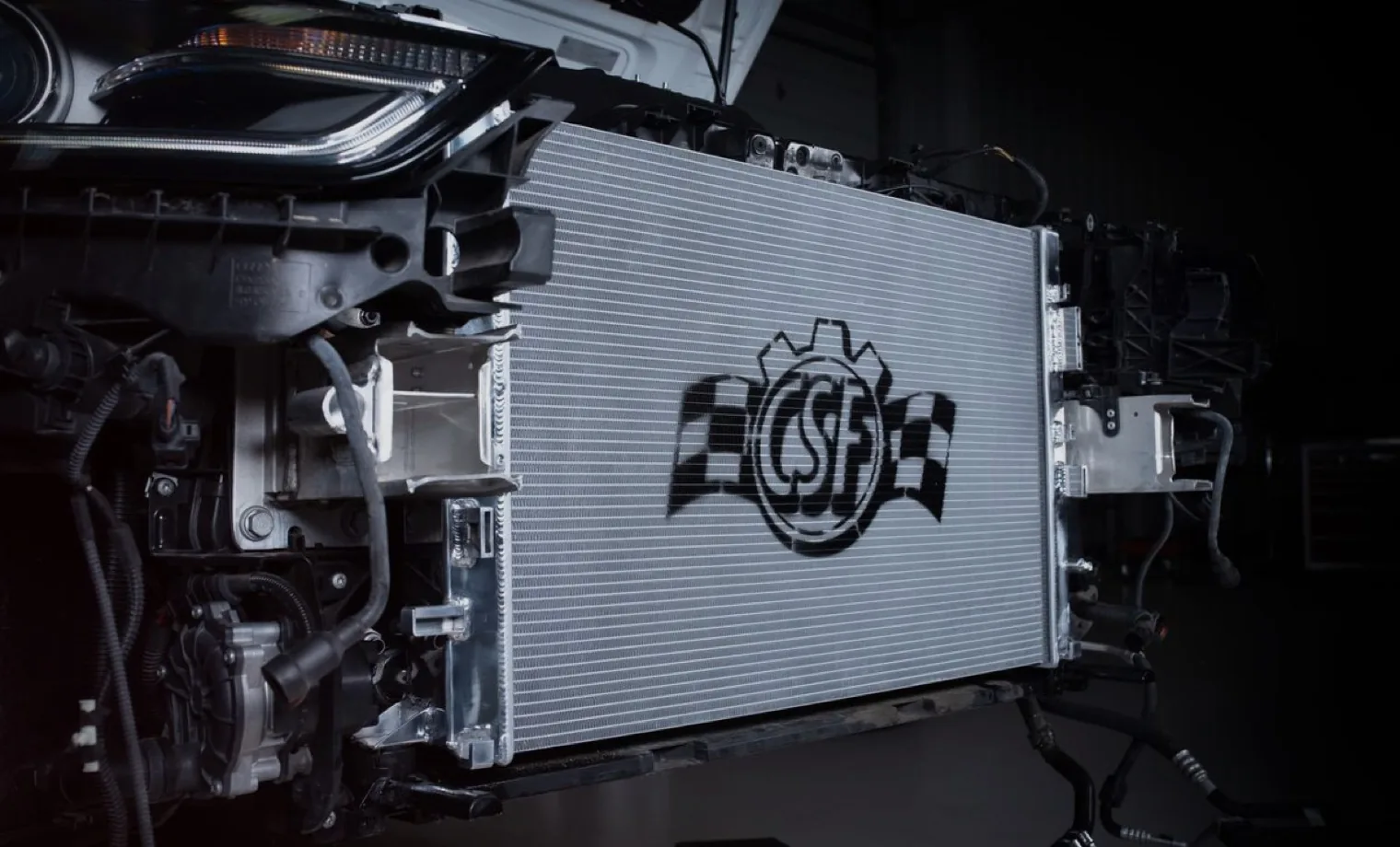
Heat management
Braking & control
Every priority is reviewed against the vehicle, current modifications, intended use, and complete project scope.
Drive there. Run hard. Drive home.
Street + track performance
A dual-purpose car has to do two jobs well. It should stay enjoyable on the street, but also remain consistent when the pace gets serious.
We focus on cooling capacity, brake endurance, chassis balance, grip, and repeatable power so the car can handle hard sessions without becoming miserable to drive home.
Let’s plan your build Talk with Dave about building the right balance between street drivability and track performance.
Build priorities
Cooling capacity
Brake endurance
Chassis & grip
Powertrain durability
Usable power
Every priority is reviewed against the vehicle, current modifications, intended use, and complete project scope.
Consistency is the performance metric
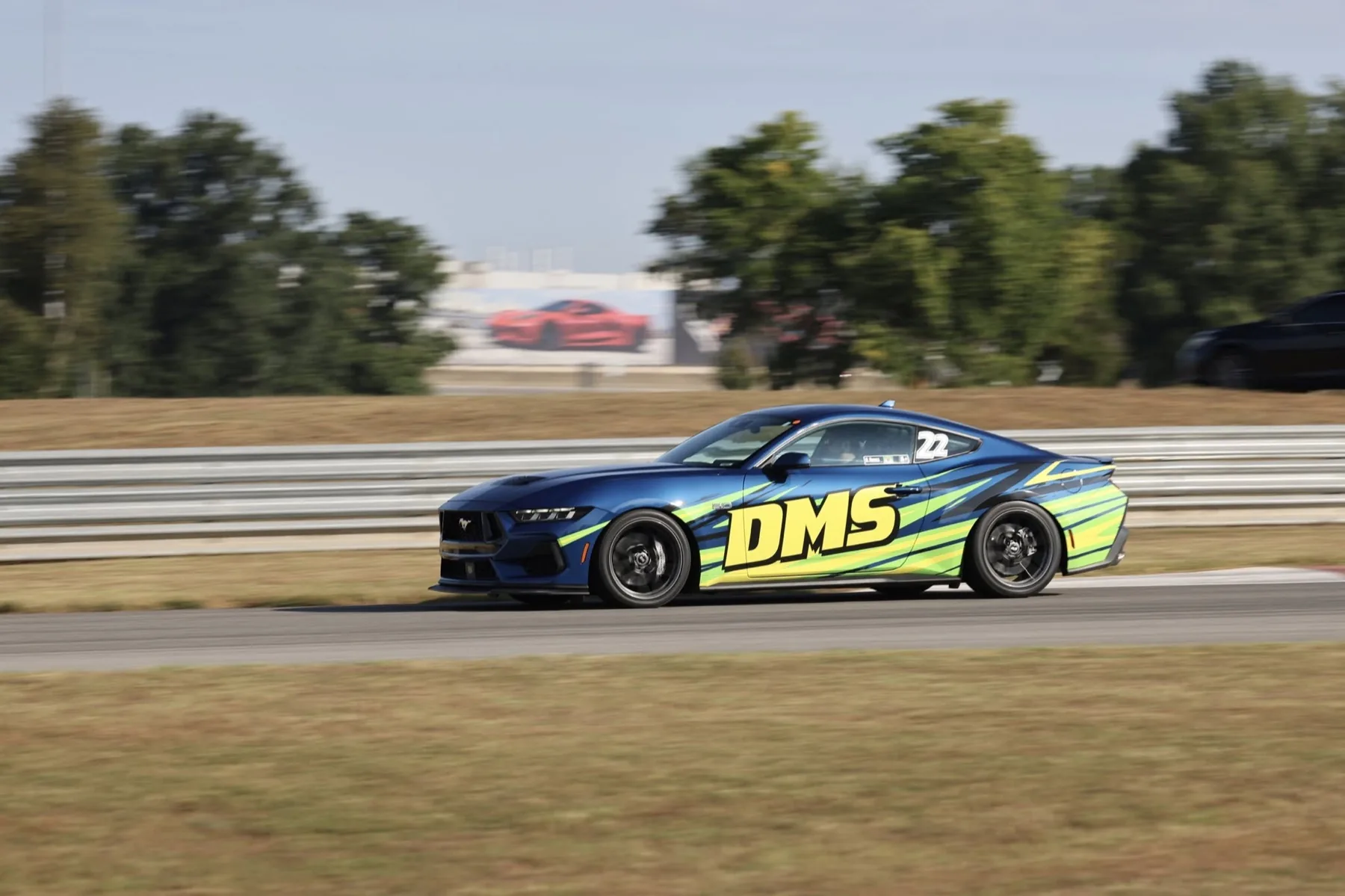
Track-focused machine
A dedicated track car is not built around one impressive pull or one fast lap. It has to repeat its performance, manage heat, brake consistently, and protect the driver.
We plan safety, cooling, chassis, braking, powertrain, and data as one complete system—then add power where the rest of the package can support it.
Let’s plan your build Talk with Dave about your goals, track use, and the complete setup your car needs.
Build priorities
Safety systems
Thermal management
Brake repeatability
Chassis setup
Powertrain durability
Every priority is reviewed against the vehicle, current modifications, intended use, and complete project scope.
About “Stage 1 / 2 / 3”
Build levels should describe the work—not promise a universal parts list.
Those stage labels change between vehicle platforms, kit manufacturers, and calibration providers. DMS uses a vehicle-specific build path instead, so the required hardware, fuel, cooling, braking, and calibration support are written into the plan.
01Foundation
Start with the car you have.
Inspect the baseline, fix existing faults, define the mission, and choose compatible first upgrades without creating a dead end.
Vehicle health and leak check
Current-modification inventory
Brake, tire and fluid baseline
First-phase parts and fitment plan
02Integrated Upgrade
Add performance as a system.
Combine the primary upgrade with the fuel, cooling, drivetrain, brake, suspension, electronics, and monitoring it actually requires.
Primary power or chassis upgrade
Supporting-system capacity review
Installation and fabrication
Configuration and functional checks
03Complete Build
Plan the whole project path.
Sequence a multi-system street, track, swap, boosted, or custom build around the final use—with serviceability and future phases considered from the beginning.
Complete build architecture
Parts and dependency sequencing
Custom fabrication and integration
Final setup and road-use verification
01
Power, airflow & control
Build the system. Not just the number.
Power parts only work when fuel, cooling, airflow, electronics, and the engine are ready to support them. DMS plans the complete combination around how the car will actually be used.
01 / 15Power, airflow & control
Performance dossier 01
Performance Parts & Aftermarket Installation
Vehicle-specific fitment, careful installation, and the supporting work that turns compatible parts into a complete street or track package.
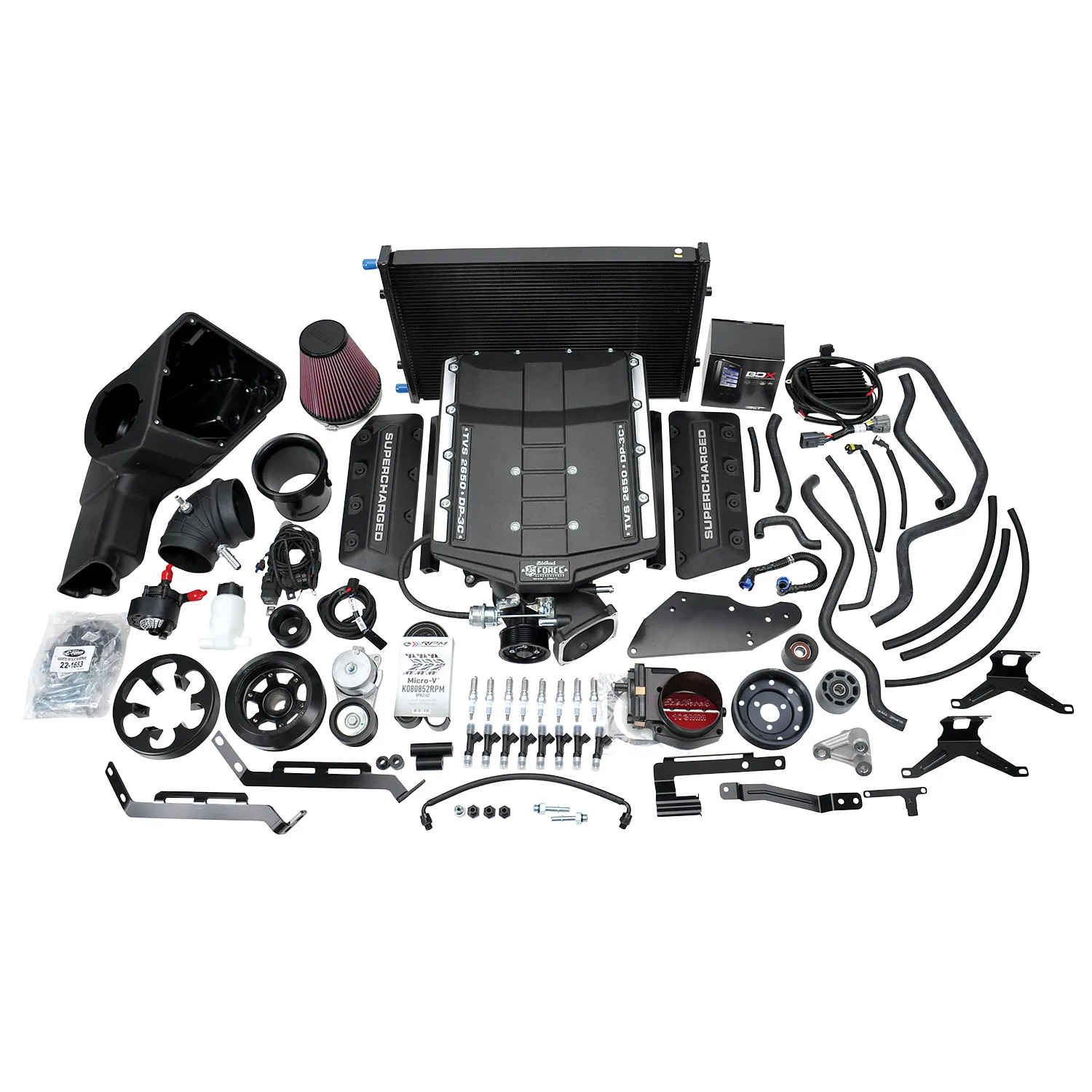
Vehicle-specific centrifugal and twin-screw systems planned as complete packages around belt drive, charge-air cooling, fuel delivery, calibration, and intended use.
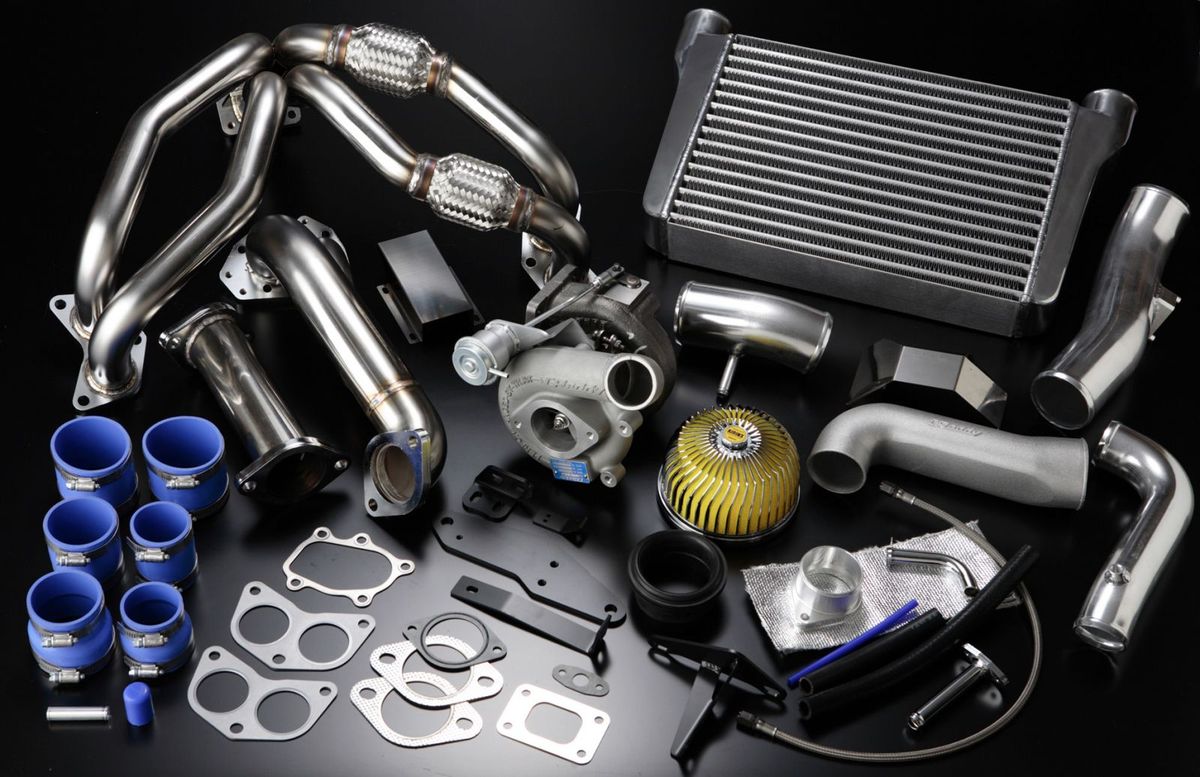
Turbo packages matched to the engine, power target, response goal, packaging, and heat load—with oiling, cooling, boost control, and charge plumbing treated as one system.
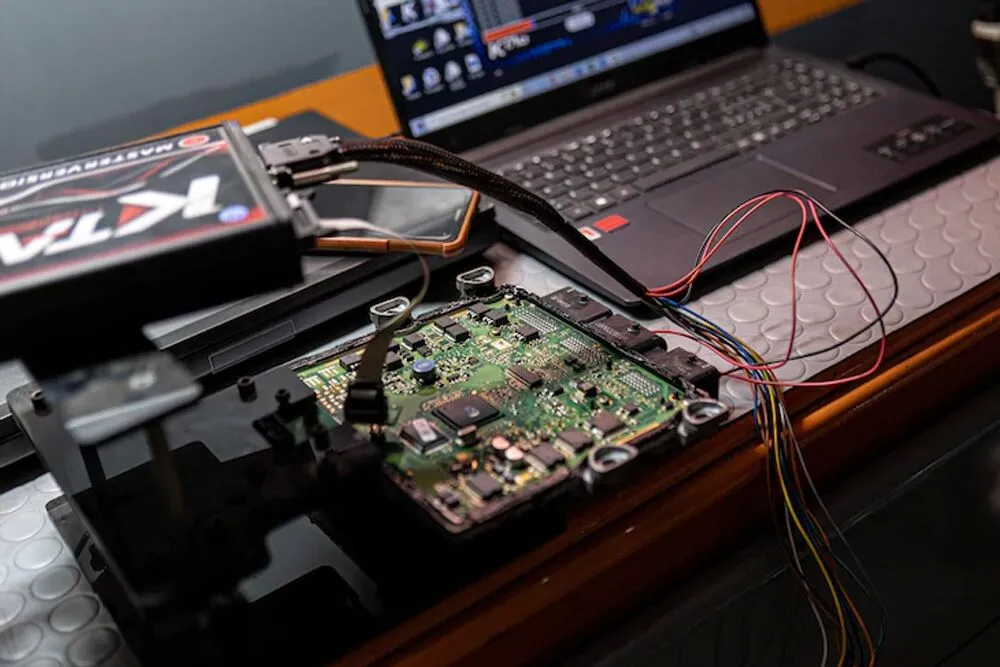
A measured engine combination based on condition, cylinder pressure, rpm range, fuel, lubrication, cooling, and the intended power-adder—not a mismatched parts list.
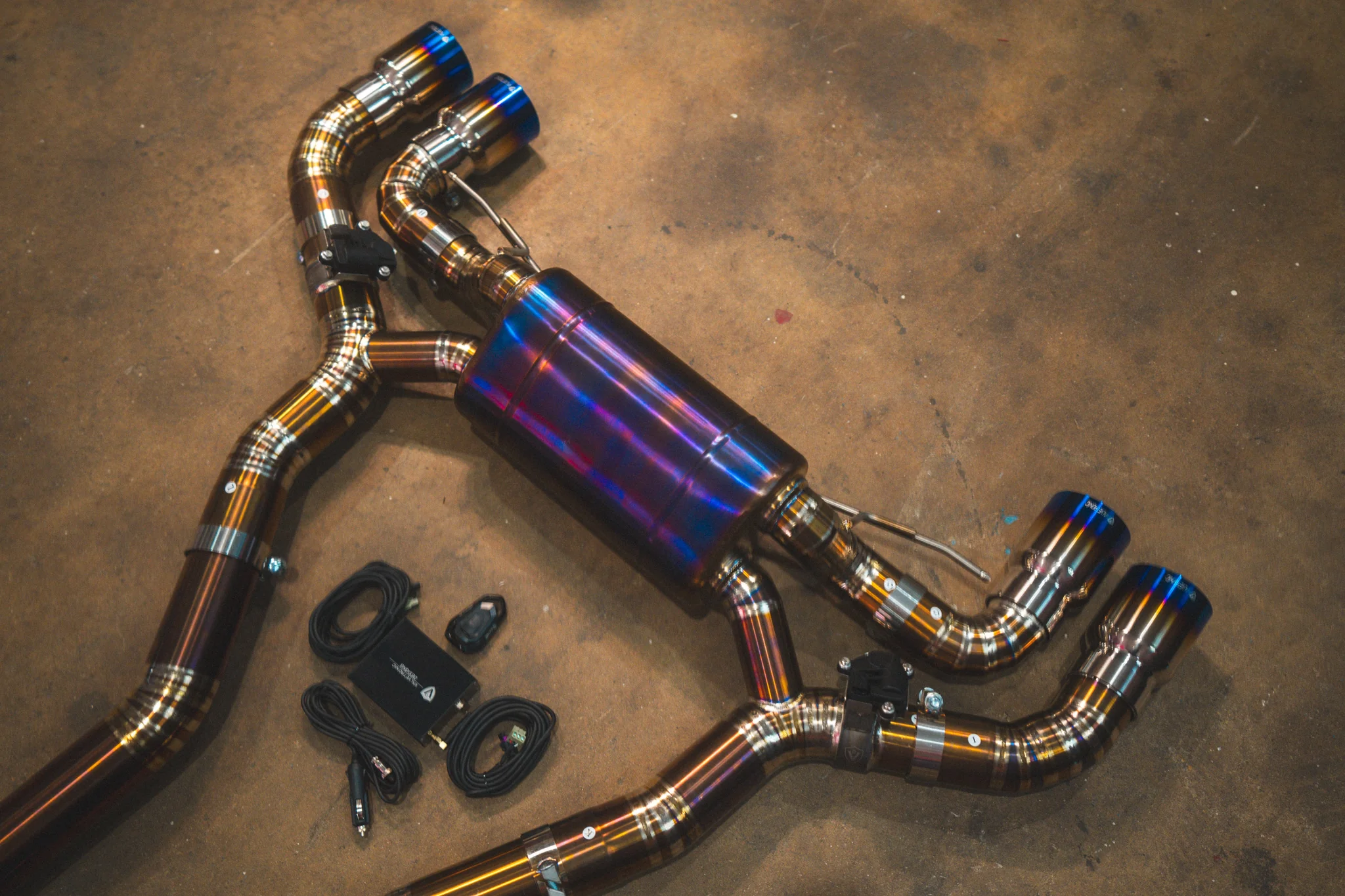
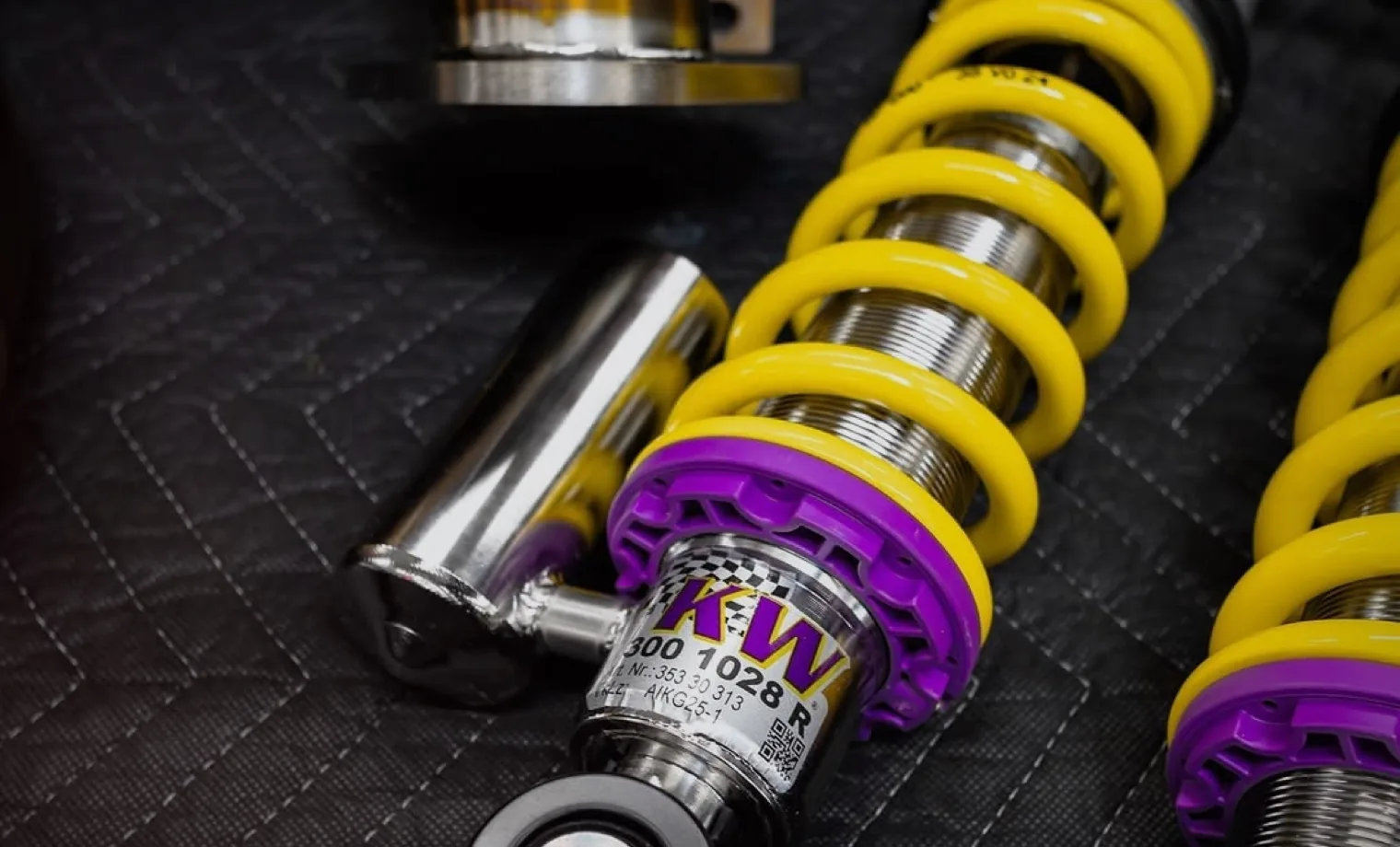
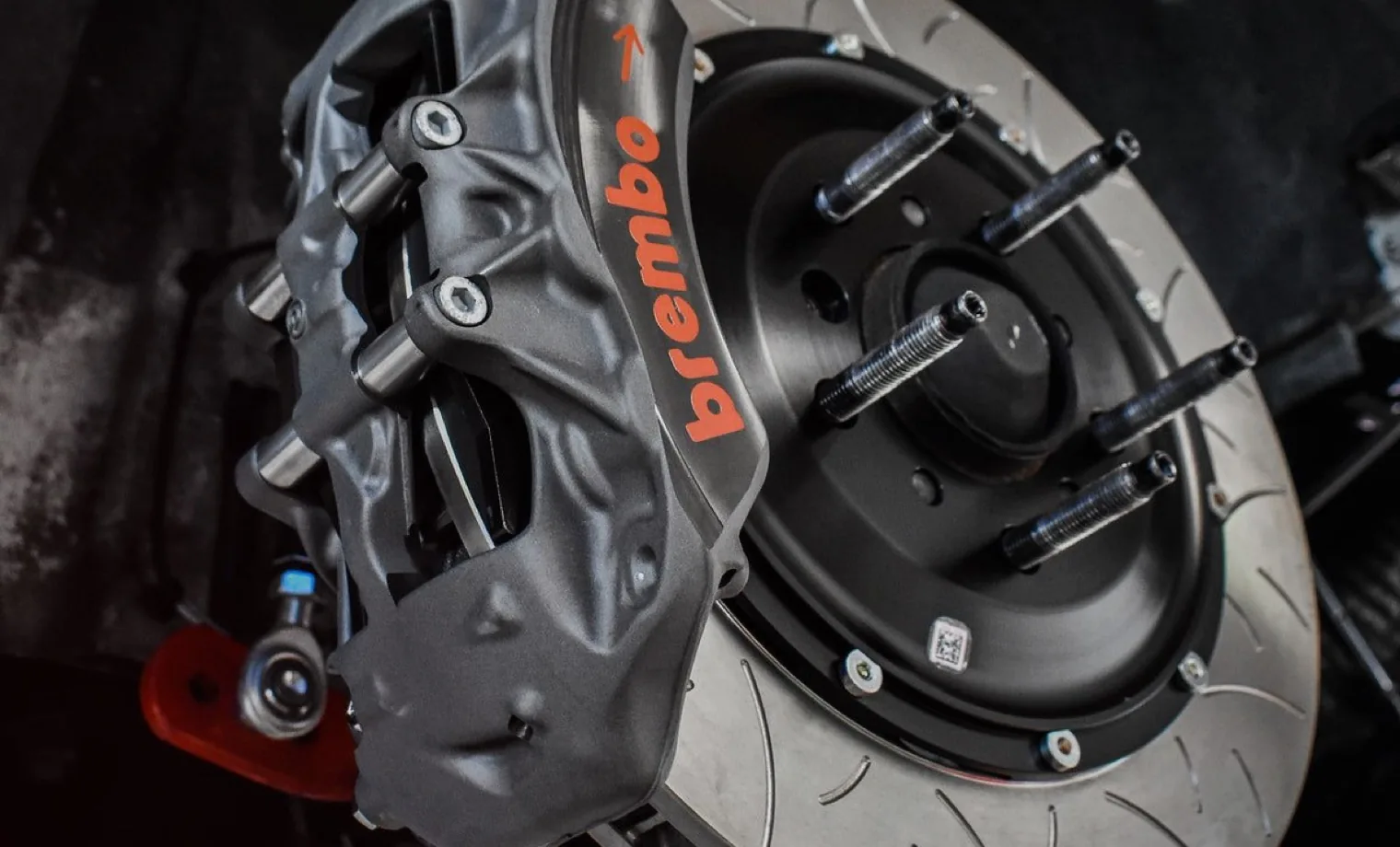
A complete performance car must launch, turn, shift, and stop with confidence. These systems are planned around the vehicle’s real use and the power it needs to control.
09 / 15Put the power down
Performance dossier 09
Transmission & Drivetrain Performance
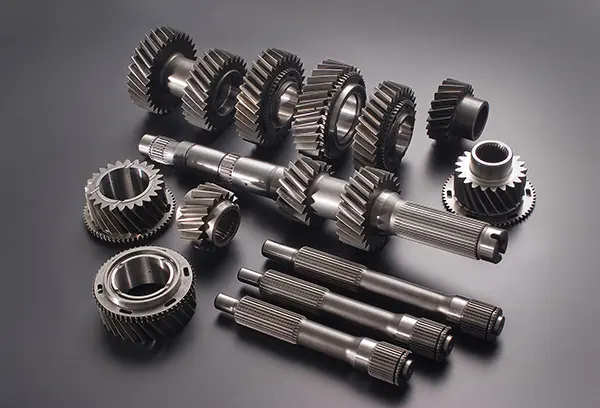
Match torque capacity, ratios, cooling, mounts, shafts, axles, and differential hardware to the engine output, tire, vehicle weight, and intended use.
Track builds. Custom solutions. One accountable shop.
DMS can take responsibility for the whole project—from parts selection and fabrication to track preparation, final setup, and the small custom pieces other shops cannot source.
12 / 15From concept to completed car
Performance dossier 12
Track & Race Car Builds
A use-specific track plan that prioritizes safety, braking, temperature control, tires, chassis behavior, serviceability, and only then additional power.
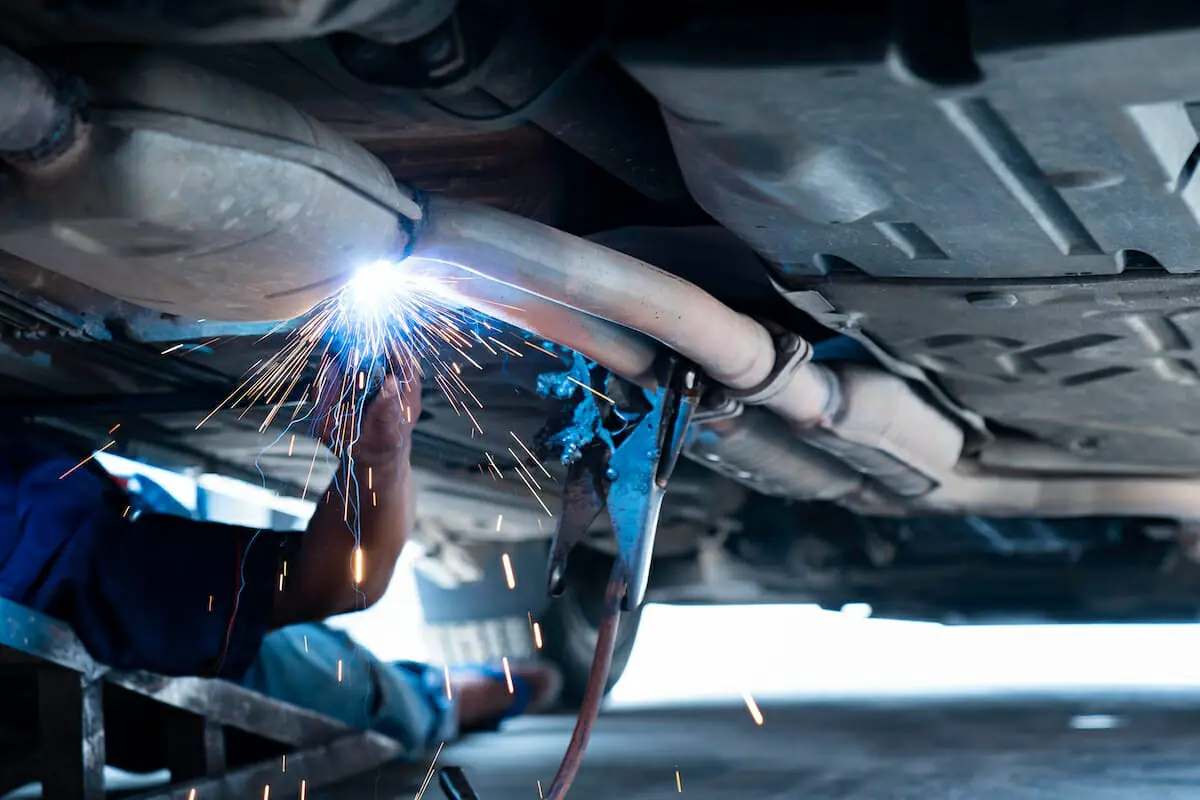
Prototype and produce project-specific non-structural pieces after considering fit, heat, chemical exposure, load, finish, and the limits of the selected material.
The right answer depends on response, packaging, heat, power target, and how the car is used—not which compressor looks best online.
01
ProCharger / centrifugal
Builds boost with engine speed. Strong top-end airflow, familiar street manners, and complete intercooled systems available for many platforms.
Belt drive & pulley system
Charge piping and intercooler
Fuel and calibration support
02
Whipple / twin-screw
Immediate positive-displacement response and a broad torque curve. Packaging, belt drive, charge cooling, and heat exchanger capacity are planned together.
Instant response
Heat exchanger strategy
Drive-system support
03
Turbocharger
Exhaust-driven power with broad sizing and packaging choices. Manifolds, wastegates, charge pipes, cooling, oil supply, and boost control all become part of the build.
Single or twin systems
Wastegate and boost control
Heat and oil management
The whole-car rule
Power never travels alone.
Every added demand moves through the vehicle. The supporting systems are not extras; they are what makes the result usable.
PowerCreates load01
FuelFeeds demand02
CoolingControls heat03
DrivetrainTransfers torque04
ChassisFinds grip05
BrakesRepeats safely06
Built from real track experience
Dave races what he builds.
Build for the complete session—not one impressive moment.
Dave has built his own car for track use. That experience shapes the questions DMS asks before recommending power: how the car stops, how it manages heat, what the drivetrain can hold, and whether the setup still works after repeated use.
The order prevents mismatched parts, repeated labor, and expensive dead ends.
01
Define the mission
Vehicle, current modifications, intended use, priorities, and real budget.
02
Inspect the starting point
Health, fitment, existing work, and the systems that will carry the new load.
03
Map the build plan
Parts, supporting modifications, dependencies, labor, and practical stages.
04
Install, configure, verify
Complete the approved work, check the full system, road-test where appropriate, and explain the setup.
Before the first bolt
Performance questions.
Clear answers before the build becomes expensive.
Yes. We install customer-supplied parts after checking fitment, condition, and whether the supporting systems are ready. We will explain any labor or warranty limitations before the work begins.
No. Most projects are street cars that need to stay comfortable and dependable. We also handle weekend, autocross, drag, road-course, and dedicated track builds.
That depends on the platform, power goal, driving style, packaging, heat, and budget. We compare the complete system—not just the compressor—before recommending a direction.
Yes. We can create a complete build plan, prioritize the supporting modifications, and divide the work into practical phases so parts are not purchased twice.
Yes. Calibration, datalogging, revisions, boost and fuel setup, transmission tuning, gauges, and monitoring can be included when the vehicle and project require them.
Project-dependent items can include prototypes, gauge or sensor mounts, switch panels, ducting adapters, trim pieces, and fitment tools. Material and design are selected for the heat and load involved; safety-critical structural parts require a different manufacturing method.
Bolt-on work may be completed quickly, while engine, forced-induction, fabrication, and complete builds take longer. After reviewing the car and parts list, we provide a realistic scope and schedule before work starts.
Ready when you are
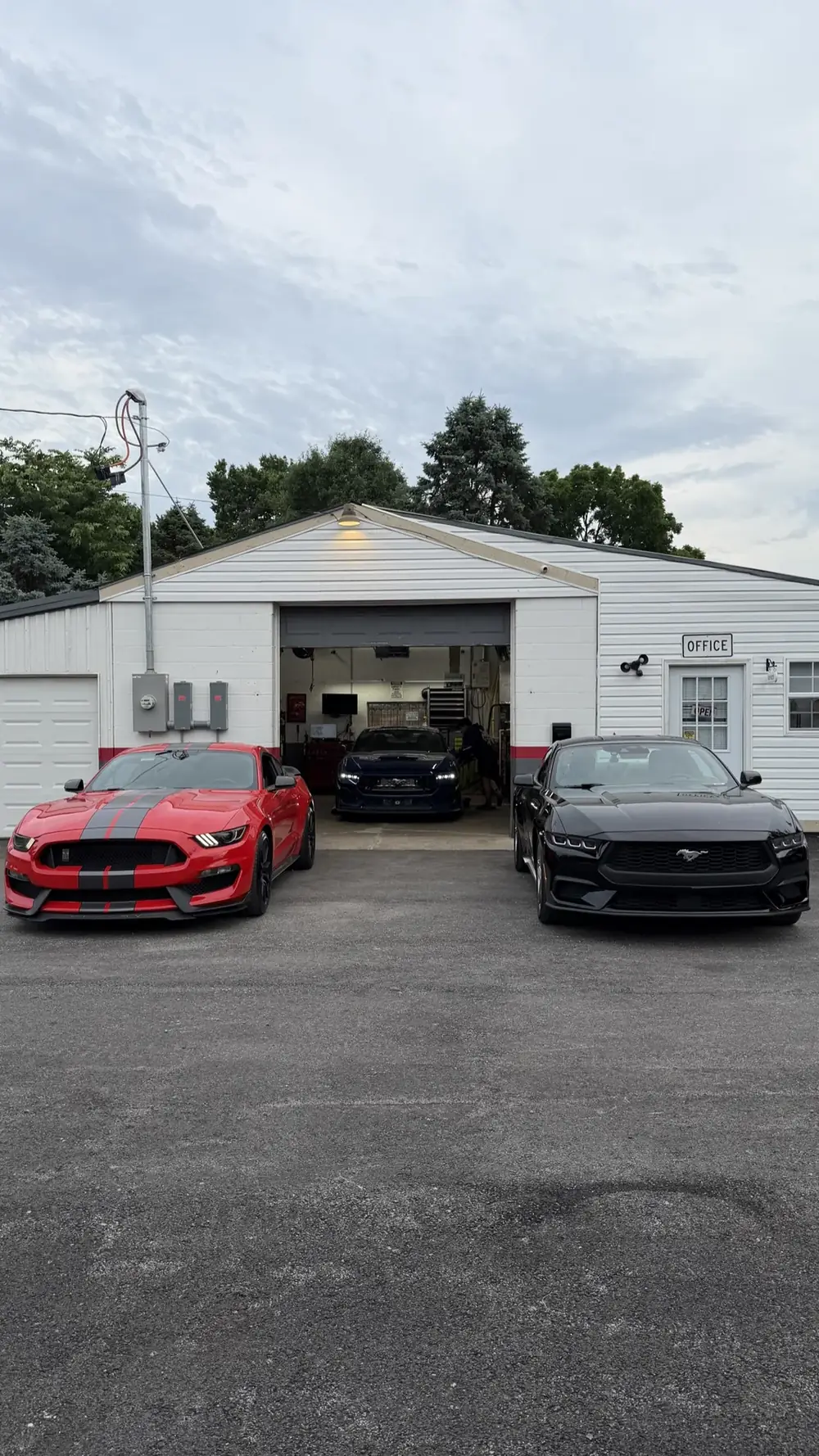
Bring the car. Bring the parts. Bring the idea.
DMS will help turn it into one complete, practical build plan.